Reducing the Risk of Falls in the Home

3 minute read
George Powney
Written by George Powney
Ellie Burcher
Reviewed by Ellie Burcher
Reducing the Risk of Falls in the Home
Skip to section

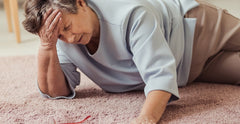
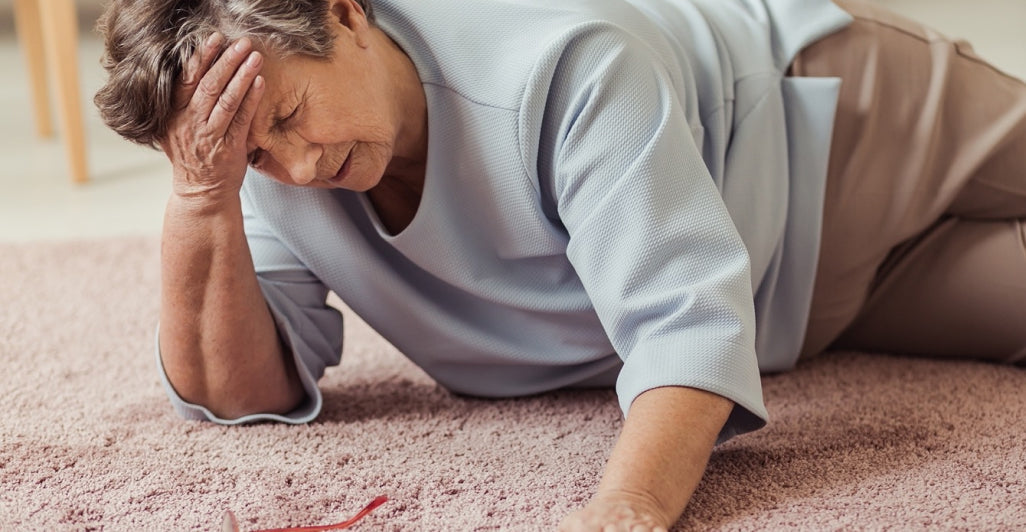
Falls can cause distress, pain, injury, loss of confidence, loss of independence and mortality, with 1 in 3 people over the age of 65 experiencing a fall at least once a year.

In the UK, falls are the most common reason for an ambulance being called to assist an older person.

Our Clinical Advisors have put together a short guide to help you identify potential fall hazards and ways you can help safely minimise these risks.

Where do falls happen?
Products to help you with: Falls

Where do falls happen?

Falls can happen anywhere but certain places in the home carry increased risk for falling:

  • The bathroom is the highest-risk area in the home due to wet and slippery surfaces, especially when getting in and out of the shower or bath.
  • The bedroom can pose risks when getting in and out of bed, especially when you are feeling tired or drowsy.
  • Falls on the stairs are common, often due to poor lighting, clutter, loose carpet or unstable rails.
  • Kitchen falls can occur due to clutter, spills, and the need to move around in a smaller space.

Other places where falls can frequently happen:

  • When crossing pavements or roads, this can be due to uneven surfaces or cracks, which can increase the risk of having a fall.
  • Getting in/out of a car can increase the risk of falls due to uneven surfaces and the need to sit/stand and change your body position.
  • Walking through the shops – shops and supermarkets often have laminate-style flooring, which can increase the risk of slips when you are out walking.


Why do falls happen?

There are lots of factors which can increase the risk of falls, including:

  • Muscle strength is reduced, which can affect your standing tolerance and increase how quickly you begin to feel tired.
  • Medical conditions such as low blood pressure can cause dizzy spells when you stand up, whereas other conditions, such as diabetes, can cause numbness & tingling in the feet.
  • Poor-fitting or worn footwear can significantly add to the risk of tripping or slipping.
  • Memory loss, confusion or difficulties with thinking or problem solving.
  • Vision and hearing problems can affect your balance and stability, causing a risk of falls.
  • Taking some medications can make you dizzy or drowsy; take care and always read the information provided. If you have concerns, always speak to your GP.

How can I reduce the risk of falls?

There are lots of things you can do to reduce your risk of falls, from maintaining your own health to checking your home and putting appropriate equipment in place to support you.

  • Keeping active, doing a little and often, can improve your overall strength and balance. Getting out and about for a walk can be a great way of maintaining strength and mobility, and using mobility aids to keep you safe, such as a walking stick or rollator
  • When walking around your home, make sure you are wearing supportive shoes or slippers with a good fit and good grip.
  • When walking around, ensure you can get help if you do have a fall, this could be carrying a mobile phone with you or having a personal alarm to alert friends and family if something should happen to you.
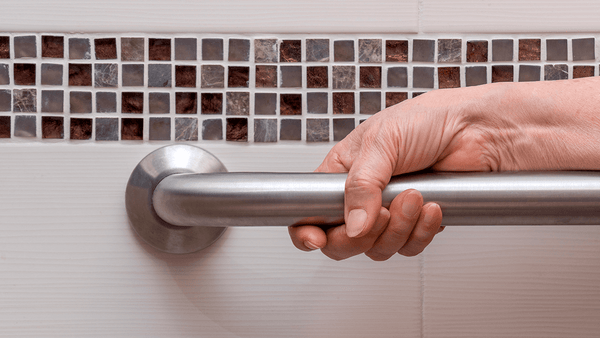
  • When using the bath or shower, make sure you have a non-slip mat in place and handles or rails to provide stability when transferring.
  • Consider a nightlight or motion-detecting light in dark areas such as hallways and landings
  • Take your time when getting up from a bed or chair. Make sure you are steady before walking.
  • Remove loose rugs, carpets and wires which can be easily tripped over or caught when using mobility aids.
  • Speak to your GP or pharmacist if you think your medicines could be affecting your balance.
  • Make sure your eyesight is checked regularly

By following these simple steps and making some small changes, you can make a significant difference to your safety and security to reduce the chances of falls.

Get Personalised Guidance
Equipment Assessment Service

Get Personalised Guidance

For additional guidance and support, you can book a private online assessment with one of our Expert Clinical Advisors. This provides an opportunity to discuss your individual needs and receive personalised recommendations.

George Powney
Written by
George Powney
George has 10x years' experience as an Occupational Therapist working across NHS and Adult Social Care. George supports our Southwest Region of the UK with his specialist knowledge of Moving and Handling equipment to support individuals with their daily tasks.

HCPC registered OT
Ellie Burcher
Reviewed by
Ellie Burcher
Ellie is a highly experienced Occupational Therapist, with a background in health and social care and more than 16 years’ experience in private practice. She has specialist expertise in seating, housing adaptations and training. In her role as Clinical Improvement Manager at Medequip, Ellie supports the national clinical team to develop services, strengthen clinical practice and improve outcomes for service users.

HCPC registered OT
This article is for informational purposes only.

Comments

Leave a comment

Please note, comments need to be approved before they are published.

Related Articles

Placeholder Image
18/06/2013

How to adapt your home to prevent falls

This week is Falls Awareness Week (17th – 21st June 2013) and according to Age UK, a third of over 65s will fall every year. With this in mind, we’ve taken a look at what changes could be made around the home in order to reduce this number and make the home a safer place to spend the later years.
Read article
A hand holds a metal grab bar on a white tiled bathroom wall with a brown and gray mosaic strip, highlighting bathroom safety. Image
23/09/2021

Adapting Your Home to Prevent Falls

In the UK, Around 1 in 3 adults over 65 and half of people over 80 will have at least one fall a year. With this in mind, we have joined up with Medequip's Wirral Falls Prevention Service to provide some suggestions of what changes could be made around your home to reduce this number and make it a safer place to spend the later years.
Read article
Placeholder Image
27/02/2015

Protecting from Bathroom Falls

For those less confident in their mobility and sense of balance, moving around...
Read article