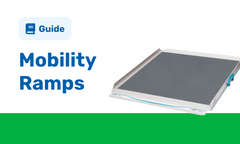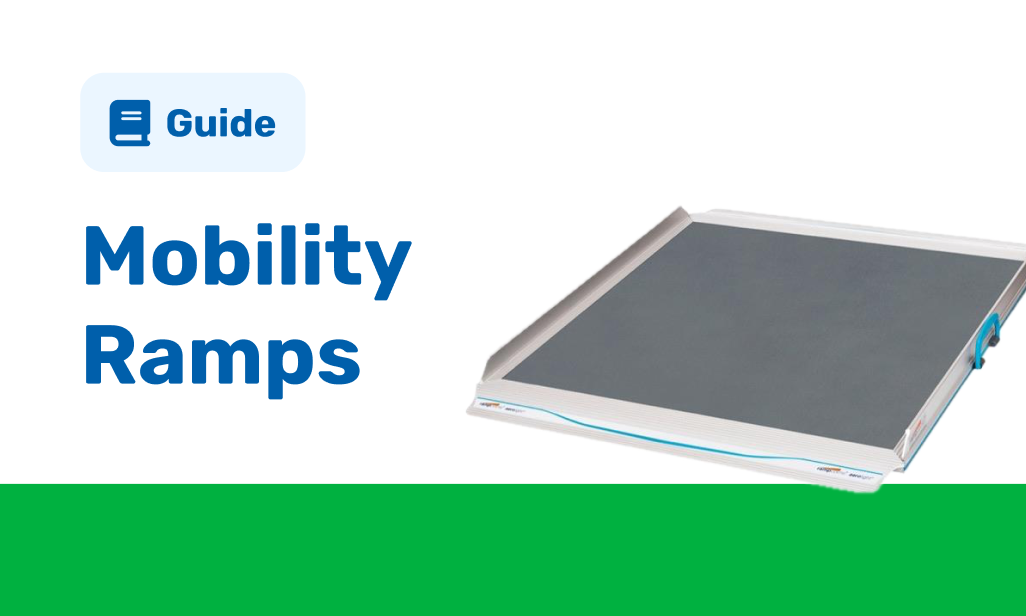
How to Choose the Right Mobility Ramp

9 minute read
Tom Rogers
Written by Tom Rogers
George Powney
Reviewed by George Powney
Mobility Ramps Guide
Skip to section

Selecting an appropriate mobility ramp involves several considerations beyond simply measuring step height. Factors such as the user's specific needs, the category of mobility equipment, the location of the access point, available spatial clearance, other people using this access point and the intended frequency of use all play a crucial role in the decision.

A ramp used every day at a main entrance may need to be more stable and robust than one used occasionally when visiting family or travelling. A ramp for a manual wheelchair may also need different considerations from a ramp used with a powered wheelchair or scooter.

Identify primary usage requirements

Before choosing a ramp, you need to think about where it will be used most often. Different access points can require different ramp styles, and the right option will depend on the height, surface and space available.

Doorway thresholds

Threshold ramps are often used for smaller lips at front doors, back doors and internal doorways. These ramps are usually designed to smooth out a small height difference rather than cover a full step.

One step or a raised entrance

For one external step, a garden step or a raised entrance, a longer ramp may be needed. The higher the step, the longer the ramp usually needs to be to create a safer and more manageable incline.

Mobility scooter access

Mobility scooters need careful consideration because they vary in size, weight, wheelbase and ground clearance. A ramp must be wide enough, strong enough and suitable for the scooter being used.

Portable access and travel

Portable ramps can be useful for temporary access, visiting family, attending appointments, holidays or days out. They are designed to be moved and stored when not in use. Check how easy it is to lift, fold, carry and position. The ramp should be practical for the person handling it, not just suitable for the mobility aid.

Patio doors and uPVC thresholds

Patio doors and uPVC thresholds can be awkward because they may have raised lips, fragile sills or different heights on either side. In these cases, a standard ramp may not sit correctly. Bridge-style, adjustable or up-and-over threshold solutions may be more suitable, depending on the doorway. It is important not to place too much pressure on fragile frames or sills.

Gardens, grass and gravel

Outdoor areas such as gardens, grass, gravel or uneven ground may need a different approach. Standard ramps are usually designed for firm, level surfaces and may not work well on soft or loose ground. Where the ground is unstable, a rollout trackway or a more specialist outdoor access solution may be more appropriate.


Who will be using the ramp?

The right ramp should suit both the person using it and the mobility aid being used. It should also be practical for anyone helping to move, position or support the ramp and for anyone else using the access point.

Manual wheelchair users

For manual wheelchair users, the ramp gradient is especially important. A steep ramp may be difficult to self-propel and may require assistance. Consider whether the person will use the ramp independently or with support. If someone else will be pushing the wheelchair, the ramp still needs to feel manageable and safe for the carer or family member.

Powered wheelchair users

Powered wheelchairs are usually heavier than manual wheelchairs, so the ramp must have a suitable weight capacity. This should include the combined weight of the wheelchair and the person using it. Ramp width, grip and stability are also important. The ramp should allow the wheelchair to travel in a straight and controlled way without feeling narrow or unstable.

Mobility scooter users

Mobility scooters can be more difficult to match with ramps because of their size and wheel layout. Some scooters have lower ground clearance, longer wheelbases or a wider turning circle. Check the scooter’s weight, width and suitability for ramp use. The ramp should also be appropriate for the access point, especially if the scooter needs to turn immediately before or after using it.

Carers and family members

If a ramp will be handled by a carer or family member, its weight and ease of use matter. A ramp may be suitable once in place but still impractical if it is too heavy or awkward to move. Think about who will lift it, where it will be stored and how often it will need to be positioned. For daily use, a more stable or semi-permanent solution may be easier than repeatedly moving a portable ramp.

Adults or people with reduced mobility

For adults or people with reduced mobility, confidence and stability are key. A ramp should feel secure, manageable and suited to the level of support available. If a person feels unsure using a ramp, or if the access point is steep, narrow or difficult to approach, a different access solution may be needed.

How to check your access point

Measuring the access point before choosing a ramp is one of the most important steps. It can help avoid buying a ramp that is too short, too narrow or unsuitable for the surface.

1. Measure the height

Measure the vertical rise from the lower surface to the top of the step, threshold or kerb. This height will help determine the ramp length needed. Do not estimate the height by eye. Even a small difference can affect the slope of the ramp and how comfortable it feels to use.

2. Check the available space

Look at the space at the top and bottom of the ramp. There needs to be enough room to approach the ramp straight on and move away safely after use. This is particularly important for mobility scooters and powered wheelchairs, which may need more turning space. Also consider where the ramp extends into, does it encroach onto a path or corridor that others will be using as this could cause a trip risk for other people.

3. Check the width

Measure the doorway, the mobility aid and the usable width of the ramp. Remember that the overall width of a ramp and the usable surface width of the doorway may not be the same. If using a scooter or powered wheelchair, allow enough space for the wheels to sit comfortably on the ramp.

4. Look at the surface

Consider where the ramp will rest. Paving, concrete and firm level surfaces are usually easier to work with than grass, gravel, decking or uneven ground. If the surface is slippery, soft or uneven, check whether the ramp is suitable for that location before use.

5. Check the doorway type

uPVC door frames, sliding doors, patio doors and raised thresholds can all create additional challenges. Fragile sills or awkward lips may require a bridge-style or adjustable solution. It is also worth checking whether the door can still open and close properly when the ramp is in place.

Ramp length, slope and safety

Ramp length directly affects how steep the ramp feels. In general, a longer ramp creates a gentler incline, while a shorter ramp creates a steeper slope. Ramp gradients provide guidelines around the incline of the ramp, and these vary depending on the type of mobility aid.

A ramp that is too steep can feel harder to use and may increase the effort needed from the wheelchair user, scooter user or person assisting. The right slope will also depend on whether the ramp is being used independently or with assistance. For example, a manual wheelchair user who self-propels may need a gentler incline than someone being assisted.

If the ramp feels too steep or difficult to control, it may not be suitable for the access point.

Portable, temporary or long-term access?

Mobility ramps can be used in different ways. Some are designed for occasional access, while others are better suited to regular or long-term use.

When portable access may work best

Portable ramps can be useful for temporary access, travel, appointments, holidays or visiting other homes. They are often foldable or lightweight enough to move and store when needed. They are a practical option where the ramp does not need to stay in place all the time.

When a more stable solution may be better

For daily access, a more stable ramp may be more suitable. This is especially true for main entrances, heavier mobility equipment or outdoor areas used regularly. If the ramp will be used several times a day, repeatedly moving and positioning a portable ramp may become inconvenient.

When to consider a specialist setup

Some access points are more complex and may require a more specialist solution. This can include multiple steps, limited space, heavy scooters, fragile thresholds, uneven ground or areas where handrails may be needed. If the access point feels difficult to assess, it is best to seek advice before buying.

Mistakes to avoid when buying a ramp

  1. Choosing a ramp before measuring the height
  2. Picking a ramp that is too short
  3. Forgetting to check the total weight capacity
  4. Assuming all ramps suit all mobility scooters
  5. Not checking usable ramp width
  6. Ignoring how heavy the ramp is to carry
  7. Overlooking the surface the ramp will sit on
  8. Using a temporary ramp for a daily access need
  9. Not checking whether the door can still open properly

Match your situation to a possible ramp solution

SituationWhat to checkPossible solution
Small doorway lipHeight, width and door frameThreshold or bridge-style ramp
Raised patio doorThreshold shape, frame and outdoor surfaceUp-and-over or adjustable threshold solution
One external stepStep height, available space and gripFolding, non-folding or external ramp
Mobility scooter accessScooter weight, width and wheelbaseScooter ramp, broad ramp or suitable channel ramp
Vehicle loadingVehicle height, storage and ramp weightFolding, broadfold or telescopic ramp
Grass or gravelGround firmness and distanceRollout trackway
Main entrance used dailyStability, durability and weather exposureExternal ramp or ramp system

Safety checks before using a ramp

  • Make sure the ramp is stable before use
  • Keep the ramp surface clean and clear
  • Remove leaves, mud, water or debris
  • Do not exceed the stated weight limit
  • Check the ramp is suitable for the mobility aid
  • Inspect for wear, damage or loose parts
  • Avoid using a ramp that feels too steep
  • Store portable ramps safely when not in use
  • Follow the manufacturer’s instructions

If the ramp moves, slips or feels unsafe, stop using it and check the setup before continuing.

FAQs

Can I use a mobility ramp outside?

Many ramps can be used outside, but the surface needs to be firm, level and suitable. Always check that the ramp is designed for outdoor use and keep it clear of mud, leaves or water.

How do I know which ramp is right for my doorway?

Measure the threshold height, doorway width and available space. Also check the type of door frame, especially if it is uPVC, sliding or raised.

Can one ramp work for both a wheelchair and a mobility scooter?

Sometimes, but not always. Mobility scooters can be heavier and wider than manual wheelchairs, so the ramp must be suitable for the scooter’s weight, width and wheel layout.

When is a permanent or semi-permanent ramp better?

A more stable setup may be better for daily access, main entrances, heavier mobility equipment or repeated outdoor use.

Can ramps be used on grass or gravel?

Standard ramps may not be suitable for soft or loose surfaces. For grass, gravel or uneven ground, a rollout trackway or specialist outdoor access solution may be more appropriate.
Shop mobility ramps at Manage At Home

At Manage At Home, we offer a wide range of mobility ramps and access solutions to make movement in and around the home easier. Reviewing your access point carefully before buying can help you find a ramp that suits your needs and daily routine.

Tom Rogers
Written by
Tom Rogers
Tom Rogers is Manage At Home’s content marketing specialist with over 6 years of experience in writing for mobility and independence publications.
George Powney
Reviewed by
George Powney
George has 10x years' experience as an Occupational Therapist working across NHS and Adult Social Care. George supports our Southwest Region of the UK with his specialist knowledge of Moving and Handling equipment to support individuals with their daily tasks.

HCPC registered OT
This article is for informational purposes only.

Comments

Leave a comment

Please note, comments need to be approved before they are published.

Related Articles

woman in wheelchair smiling outdoors Image
08/05/2026

Spring Access Solutions: Choosing the Right Mobility Ramp

Mobility ramps can help wheelchair users, mobility scooter users, and those with reduced mobility overcome steps, thresholds, kerbs, and uneven surfaces with greater confidence. Choosing the right type of ramp can improve accessibility both at home and while travelling during the spring and summer months.

In this guide, we explore the best types of mobility ramps for spring, including folding, threshold, channel, rollout tracks, and non-folding ramps.

Read article